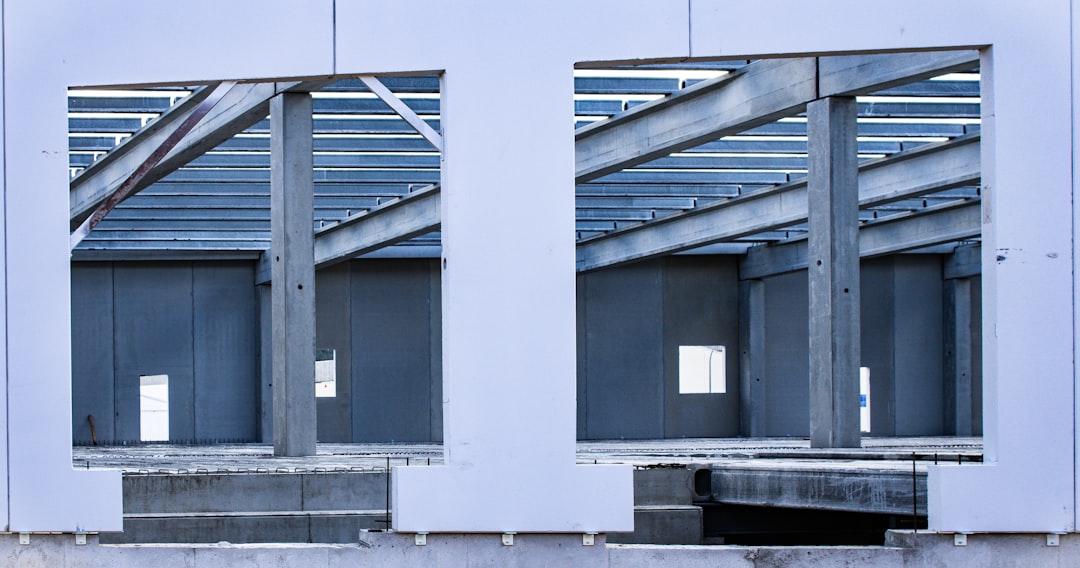
The construction industry is undergoing its most significant transformation in over a century. The era of fragmented site work, paper blueprints, and reactive maintenance is officially over.
As of 2026, the mandate is clear: integrated Digital Project Delivery (DPD) is no longer a competitive advantage—it is the baseline standard. This shift is driven by regulatory pressure, economic necessity, and the urgent need for sustainability.
This guide provides a comprehensive breakdown of the core technologies and methodologies defining modern construction engineering. We will examine the mandatory adoption of Digital Twins, the rise of Industrialized Construction, and the materials science revolution that is reshaping our built environment.
The 2026 Mandate for Digital Twins
The single most impactful change in project delivery is the universal requirement for Digital Twins. These are not static 3D models. They are living, breathing virtual replicas of physical assets.
A Digital Twin is continuously updated with real-time data from a network of Internet of Things (IoT) sensors embedded in the structure. This creates a closed feedback loop between the digital and physical worlds.
Real-Time Structural Health Monitoring
In 2026, every major infrastructure project requires a Digital Twin for compliance. The primary function is structural health monitoring (SHM).
- Continuous Data Stream: IoT sensors measure stress, vibration, temperature, and corrosion in real-time.
- Predictive Alerts: The system identifies anomalies before they become critical failures, enabling proactive maintenance.
- Lifecycle Management: Owners gain a complete digital record of the asset’s performance from day one, extending its operational lifespan.
This shift eliminates the costly practice of reactive repairs. Owners and operators now have a dashboard that shows the exact health of their investment at any given moment.
From BIM to DPD
Building Information Modeling (BIM) was the precursor. Digital Project Delivery (DPD) is the evolution. It integrates the twin with the entire project ecosystem.
- Design Integration: Engineers, architects, and contractors collaborate on a single source of truth.
- Construction Simulation: The digital twin runs “what-if” scenarios to optimize sequencing and logistics before a single shovel hits the ground.
- Operational Handover: The twin is delivered to the owner as the primary operations manual, complete with sensor data and maintenance schedules.
This integrated approach reduces rework by over 30% and ensures that the project is delivered on time and within budget.
The Rise of Industrialized Construction
Parallel to the digital revolution is the physical transformation of how we build. Industrialized Construction (IC) moves the majority of work from the chaotic job site to a controlled factory environment.
This is not simply “prefab.” It is precision manufacturing applied to building components, enabled by the data from the Digital Twin.
Modular Components and Precision Manufacturing
The core principle of IC is the off-site fabrication of modular components. These range from entire bathroom pods and mechanical rooms to structural wall panels and floor cassettes.
- Waste Reduction: Factory-controlled environments allow for precise material cutting. This reduces construction waste by up to 40% compared to traditional methods.
- Quality Control: Components are built to exact specifications in a climate-controlled setting, eliminating weather delays and on-site quality variances.
- Safety Improvements: Moving work off-site drastically reduces the number of workers exposed to the inherent hazards of a construction site.
The result is a faster, safer, and significantly more sustainable building process.
Logistics and Just-In-Time Delivery
Industrialized Construction requires a fundamental shift in logistics. The Digital Twin plays a crucial role here.
- Digital Supply Chain: Every modular component is tagged and tracked from the factory to the site.
- Just-In-Time (JIT) Arrival: The construction schedule is synchronized with factory output. Components arrive exactly when needed, eliminating the need for large on-site storage areas.
- Sequenced Assembly: The digital model dictates the precise order of installation, turning site work into a highly efficient assembly process.
This coordination reduces project schedules by 20-30%, accelerating the return on investment for project owners.
Agentic AI and Autonomous Orchestration
The complexity of modern projects demands a new level of intelligence. Agentic AI is the engine that orchestrates the entire system. It moves beyond simple data analysis to autonomous decision-making.
These AI agents manage the interplay between the digital twin, the factory production line, and the site assembly crew.
Dynamic Scheduling and Resource Allocation
Traditional project scheduling is static. Agentic AI creates a dynamic schedule that adapts in real-time.
- Constraint Management: The AI identifies bottlenecks in material delivery, labor availability, or equipment usage and instantly re-optimizes the schedule.
- Resource Optimization: It allocates cranes, crews, and materials to the highest-priority tasks, maximizing productivity.
- Risk Mitigation: The system predicts potential disruptions (e.g., weather events, supply chain delays) and automatically adjusts the plan to minimize impact.
This level of orchestration ensures that the project maintains momentum even when unexpected variables arise.
Quality Assurance Through Computer Vision
Agentic AI is also deployed on-site for continuous quality assurance. Computer vision systems monitor every installation.
- Automated Inspection: Drones and fixed cameras compare the as-built condition against the digital model in real-time.
- Error Detection: The AI flags deviations of millimeters, allowing for immediate correction before the error is compounded.
- Documentation: A complete visual record of the construction process is generated automatically, providing an indisputable as-built archive.
This eliminates the need for manual inspections and significantly reduces the cost of rework.
Low-Carbon Materials and Net-Zero Compliance
The regulatory landscape has shifted decisively. New Net-Zero standards require a radical reduction in embodied carbon—the emissions associated with the production of building materials.
Cement production alone accounts for nearly 8% of global CO2 emissions. The industry is now rapidly adopting alternatives.
The Geopolymer Revolution
Low-carbon geopolymers are the leading replacement for traditional Portland cement. These materials use industrial waste products like fly ash and slag.
- Reduced Emissions: Geopolymers can reduce CO2 emissions by up to 80% compared to conventional cement.
- Performance: They offer superior resistance to fire, acid, and high temperatures, making them ideal for infrastructure projects.
- Compliance: Using these materials is often the most direct path to meeting strict 2026 embodied carbon limits.
The adoption of geopolymers is no longer experimental. It is a standard specification for forward-thinking engineering firms.
Mass Timber and Biogenic Materials
Alongside geopolymers, mass timber is reshaping the structural landscape. Engineered wood products like cross-laminated timber (CLT) offer a renewable alternative to steel and concrete.
- Carbon Sequestration: Wood stores carbon. A mass timber building acts as a carbon sink for its entire lifespan.
- Lightweight Strength: Mass timber is strong enough for high-rise construction but significantly lighter than concrete, reducing foundation requirements.
- Prefabrication Compatibility: CLT panels are ideally suited for the precision manufacturing processes of Industrialized Construction.
The combination of low-carbon concrete alternatives and biogenic materials is the cornerstone of the 2026 construction standard.
Integrating the Ecosystem
The true power of the 2026 shift lies in the integration of these elements. The Digital Twin is the central nervous system. Industrialized Construction is the muscle. Agentic AI is the brain. Low-carbon materials are the lifeblood.
When these systems work in concert, the results are transformative. Projects are delivered faster, with higher quality, lower cost, and a fraction of the environmental impact.
Firms that adopt this integrated Digital Project Delivery model are positioned to lead the market. Those that cling to fragmented, analog processes will find themselves unable to compete on cost, schedule, or compliance.
The mandate for 2026 is not a suggestion. It is the new reality of construction engineering. Understanding and implementing these principles is the only path forward for building the resilient, sustainable infrastructure of the next century.
- Construction Engineering 2026 – 27/04/2026
- Slab Leak Diagnostics 2026 – 27/04/2026
- Insurance Systems 2026 – 27/04/2026

Leave a Reply